Table of Contents
Let Our Experts Optimize Your Deliveries Today
Let's talkA high-quality last mile delivery service starts with measurement, not miles. Enterprises are promising tighter ETAs, while urban networks get slower and more crowded. The market itself is growing and becoming more competitive, with last mile delivery valued at about USD 197 billion in 2025. It is expected to reach approximately USD 352.7 billion by 2035, with a 6% CAGR.
As more orders shift to home, office, and pickup points, leaders need clear, shared numbers to see where time, fuel, and customer trust are leaking. Last mile delivery metrics turn delivery day from guesswork into a repeatable operation that finance, CX, and operations can all stand behind.
In this context, last mile delivery service analytics and disciplined last mile services reporting become the real performance engine. Let’s learn about the important metrics that define high-quality last mile delivery services and how supply chain and logistics teams can put them to use.
Role of Last Mile Delivery Metrics in Driving Supply Chain Success
Good metrics make the last mile delivery service transparent for leadership, dispatch, drivers, and customer teams. They show what is working and what needs attention now. This shared view also supports consistent promises and cleaner post-delivery conversations.
Why Metrics are the Backbone of Last Mile Efficiency
Metrics transform deliveries from activity into accountable performance. They reveal where dwell happens, where last mile delivery routes overrun, and where customers need clearer ETAs more frequently.
A measured last mile delivery service can correct weak territories before complaints spread. That discipline lets last mile services sustain throughput when demand spikes in clustered time slots.
Connection Between Metrics and Improved Supply Chain Performance
When delivery data feeds, planning, and inventory systems are in place, upstream teams promise realistic windows. That alignment prevents reattempts, refunds, and duplicate customer outreach.
A reliable last mile delivery service protects the brand impressions created by sourcing, warehousing, and linehaul. In mature operations, downstream improvements shorten cash cycles and protect margins across regions.
Stable last mile delivery service scores protect omnichannel timelines, reduce WISMO calls, and contain reverse logistics costs that normally rise during disruptions. This is how delivery, care, finance, and operations move together.
9 Critical Metrics That Define a High-performing Last Mile Delivery Service
High-quality last mile delivery service teams monitor punctuality, customer sentiment, cost, fleet utilization, and environmental impact together. That balanced view prevents departments from solving one problem while creating another.
On-time Delivery Rate and its Impact on Customer Satisfaction
On-time rate shows whether your last mile delivery service keeps promises for real customers, not just on internal Service Level Agreements (SLAs). Higher scores reduce complaints and improve repeat purchasing. Strong last mile delivery services should track on-time performance by zone, product, and carrier to quickly identify patterns.
Customers remember punctuality more than speed, so stability is the goal here. An advanced last mile delivery tracking software stack can push proactive alerts, display green delivery windows, and update ETAs for agents, helping maintain confidence even on difficult days.
First Attempt Delivery Success Rate and Operational Efficiency
Every failed attempt increases fuel costs, driver time, call volume, and customer frustration. First attempt success shows how well planning and customer communication are working.
Last mile services improve this rate through address hygiene, pre-delivery alerts, lockers, and safe place instructions. Higher first-attempt success immediately lowers unit economics in busy corridors.
Delivery Cost per Package and Strategies for Reduction
Cost per package highlights the true burden of the doorstep. Rising fuel costs, overtime, and urban delays quickly inflate this figure. A well-run last mile delivery service reduces cost per package through denser routes, AI-assisted sequencing, and accurate time windows. Last mile delivery teams should track costs alongside stop counts to confirm savings are real.
Pair route optimization tools with route planning software to cluster nearby drops, balance loads, and cut fuel spend without reducing service quality. Use historical dwell patterns to redesign territories, shift stops to lockers, and prioritise first-attempt success so trucks travel fewer unproductive miles overall.
Delivery Time Window Accuracy and its Role in Improving Service
Time window accuracy proves to customers that the provider respects their day. When drivers arrive within the stated window, complaints and escalations fall. Last mile services improve this metric by leveraging real-time traffic data, microdetours, and faster exception alerts. Better window accuracy also protects partner satisfaction for high-value B2B runs.
Customer Satisfaction Scores and Feedback as Key Performance Indicators
Customer Satisfaction Scores (CSAT) turn delivery experiences into measurable signals. They show how recipients felt about timing, communication, and delivery behavior. A mature last mile delivery service links satisfaction scores to routes, drivers, and neighborhoods. This lets managers coach precisely where service fell short of standards.
Rate of Returns and Exceptions in Last Mile Delivery
Returns, failed scans, damaged parcels, and porch piracy create costly rework. In some urban areas, package theft reaches millions of packages annually, which makes exception tracking essential.
Last mile services need to measure causes alongside volumes, not just totals. That insight supports better packaging, safer drop options, and smarter geofencing.
Fleet Utilization and Optimization Metrics
Idle trucks and uneven driver workloads hide wasted capacity that customers still pay for. Utilization metrics reveal how well vehicles, drivers, and shifts are being used daily.
A high-performing last mile delivery service watches stops per hour, empty miles, and overtime together. AI-based routing can raise utilization without overloading crews.
Carbon Footprint Reduction Metrics and Sustainability Goals
Delivery leaders now monitor emissions per stop, per route, and per region. Some fleets even stream emissions data directly from vehicles to dashboards for faster corrections. Good last mile services measure the miles saved through densification, PUDO, and eco-routes, then show this to procurement and ESG teams.
Cleaner fleets reduce fuel risk, too. Last mile services that publish these metrics can prove progress to customers and regulators. Cleaner routes also save fuel, so green performance and cost performance move together.
Net Promoter Score and its Role in Measuring Customer Loyalty
NPS shows whether delivery experiences create advocates or critics. It is especially useful because it summarises many small interactions. A dependable last mile delivery service correlates NPS with on-time rate, driver behavior, and communication quality. Improving NPS protects customer lifetime value far more cheaply than new acquisition campaigns.
Before moving forward, teams should check that every metric above is tied to an owner, a threshold, and a recovery play.
Using Metrics to Drive Continuous Improvement in Last Mile Delivery
Measurement only matters when it changes behavior. The best teams build weekly and monthly review rhythms around their data.
Leveraging Data for Smarter Decisions and Optimized Operations
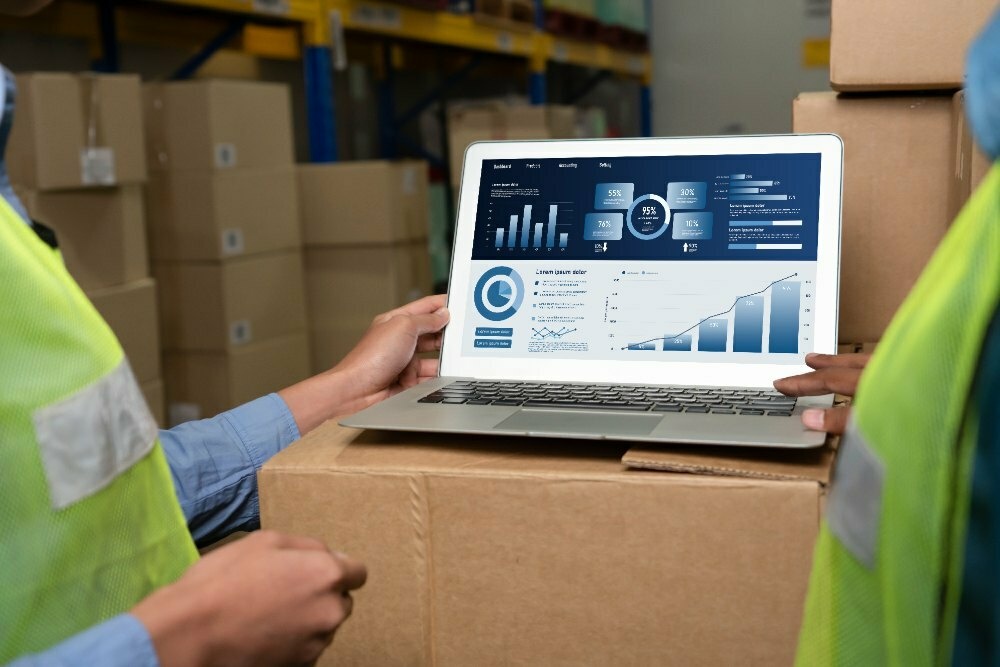
Live dashboards give dispatchers a single operational reality. That lets them resequence stops, divert to pickup points, or trigger customer alerts before issues spread. Last mile services should make these dashboards available to support and finance, too. Shared visibility eliminates guesswork and speeds collective decisions.
Tracking and Adjusting Based on Real-time Performance Data
Real-time data means problems are dealt with during the shift, not after it. If a route is running hot, a supervisor can transfer deliveries to nearby drivers. A smart last mile delivery service automates parts of this response through rule engines. That automation keeps service consistent even when staff changes.
Identifying Trends and Patterns to Forecast Future Performance
Historic data often reveals that certain neighborhoods, high-rise buildings, or weather patterns cause delays. AI can learn these patterns and adjust plans automatically, which protects customers from visible disruption. Last mile services that model risk ahead of time can position drivers, lockers, or micro-hubs in better locations.
Benchmarking and Setting Targets for Operational Excellence
Last mile delivery teams need to know what great looks like. Benchmarking compares zones, partners, and third parties to the internal top performers. A disciplined last mile delivery service publishes those benchmarks widely to encourage improvement. This creates a culture where data, not opinion, guides investment.
Turn Metrics into Visible Last Mile Delivery Service Wins with FarEye
Metrics are powerful only when they drive action at the edge. Reliable last mile services begin with clear metrics, shared visibility, and rapid responses to risks. They deliver on customer timelines without increasing the cost per stop.
Modern last mile delivery and tracking software make those actions simple for planners, drivers, and care teams. Pairing your last mile delivery service with AI-driven route optimization software, self-service scheduling, and mobile proof-of-delivery closes the loop between the promise and the doorstep.
FarEye brings those capabilities together, helping enterprises protect OTIF, lower delivery cost per package, and lift NPS across channels. Ready to see how your metrics can move faster than your network grows? Schedule a FarEye demo and convert today's delivery data into tomorrow's reliable, efficient last mile services.
Sources:
https://www.futuremarketinsights.com/reports/last-mile-delivery-market
FAQs
What are the most important KPIs for a last mile delivery service?
Focus on on-time delivery rate, first-attempt success, delivery cost per package, time-window accuracy, and CSAT or NPS. These reveal punctuality, efficiency, and customer sentiment. When monitored daily, they help last mile delivery service teams spot emerging bottlenecks and fix them before customers escalate during peak periods and seasonal surges.
How do metrics reduce last mile delivery costs without hurting service quality?
Metrics show where trucks idle, where routes run long, and where reattempts spike. Teams can densify territories, improve address quality, and automate dispatching. This combination reduces fuel, overtime, and support spend while keeping last mile services predictable, transparent, and ready for customer-facing updates across large urban and suburban networks.
How can we link last mile metrics to wider supply chain performance?
Feed delivery events into order, inventory, and customer systems so everyone sees the same truth. When on-time rates fall, planners adjust slots or stock earlier. This integration keeps last mile delivery service outcomes aligned with cash flow, OTIF, and experience goals for leadership across channels, partners, regions, and peaks.