Table of Contents
Let Our Experts Optimize Your Deliveries Today
Let's talkFreight markets in the United States have become a roller coaster. With truck costs rising and demand shifting, carriers face shrinking margins. For example, industry data shows that the average cost of operating a truck has reached about $2.260 per mile. For a dispatcher or allocator responsible for dozens or hundreds of trucks, every inefficiency means fewer dollars in the bottom line.
That’s why investing in trucking logistics software isn’t just an efficiency play; it’s margin protection. When routing, asset utilization, backhaul matching and real‐time constraints are handled by smart software, you move from firefighting to commanding margin.
This blog will walk you through how modern routing engines, especially those embedded in logistics software for trucking, transform operations and safeguard profitability.
Understanding Margin Pressure in Trucking
Before diving into software, let’s clarify where margin pressure comes from.
- When you send a truck out half-loaded or have it return empty, you’re incurring nearly the same cost as a full load but earning much less. That gap eats margin.
- Manual routing and legacy dispatch tools can’t keep up with dynamic variables like traffic, driver hours, vehicle restrictions and order volume swings.
- With volatile fuel prices and driver wages, your cost per mile can shift week-to-week. If you’re locked into rate cards that don’t flex, your margin is exposed.
This is where trucking software for logistics becomes essential; it gives you the visibility and agility to keep margins intact.
How Trucking Logistics Software Protects Margins
Now, let’s get into how such a system actually works to defend profitability.
Real-time Cost Visibility and Rate Discipline
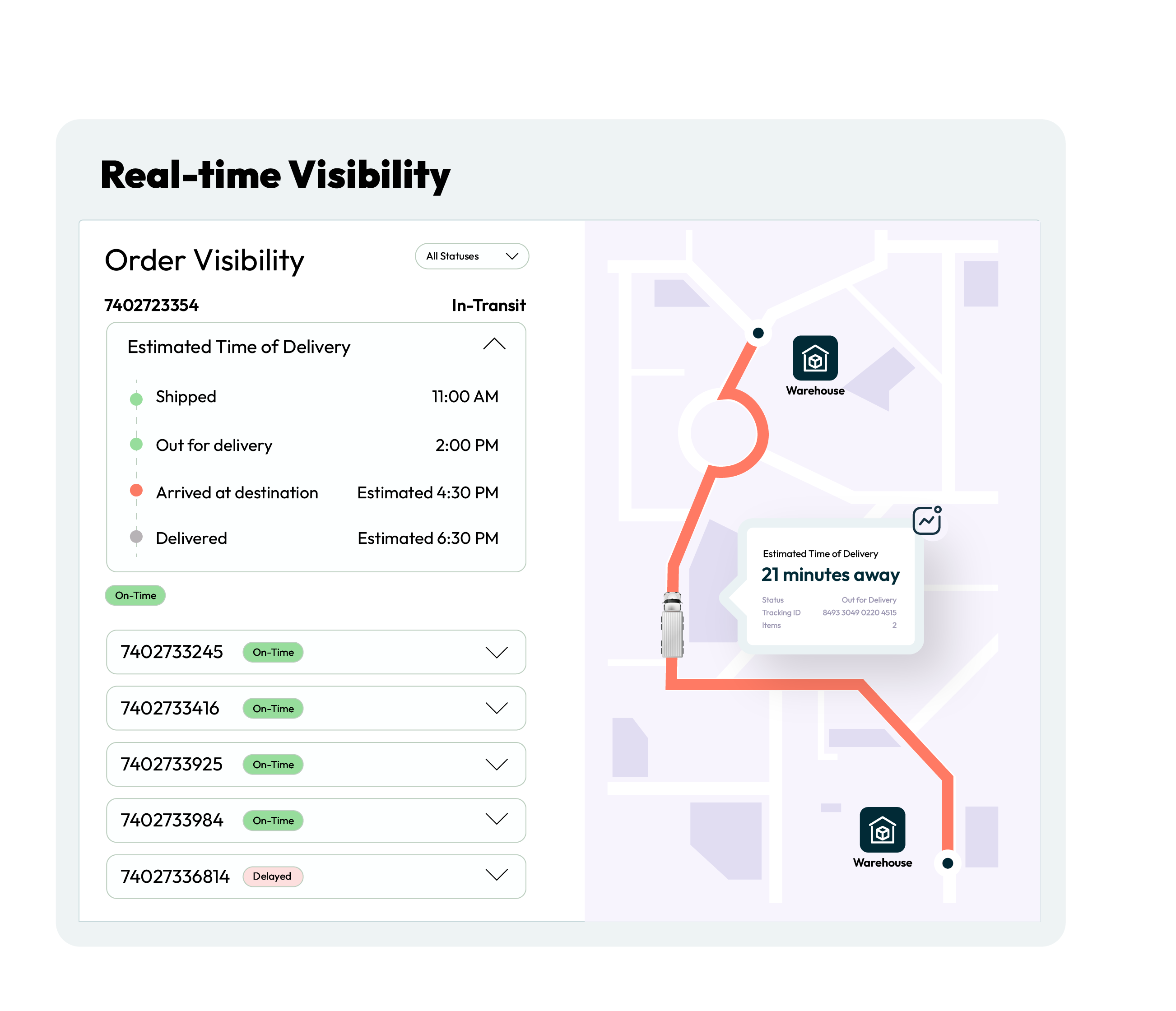
A core benefit of logistics software for trucking is linking your cost base to your routing and load decisions. When you know the cost per mile, cost per stop and cost per return haul, you can compare that with the rate you’re earning on that load.
The software lets dispatchers flag loads that won’t meet margin targets and prevents unconscious loss. When a bid comes in, you can ask: Does the routing algorithm show a cost under X per mile? If not, you renegotiate or decline. That built‐in discipline protects the margin.
Optimized Routing and Asset Utilization
One of the biggest drains on margin is sub-optimal routing and under-utilized assets. With trucking software for logistics, you get advanced route optimization engines that consider vehicle capacity, delivery windows, driver hours, road and regulatory constraints and traffic patterns.
For instance, multi-stop, multi-day optimization reduces wasted miles, increases filled loads and cuts empty backhauls. When you travel fewer miles with higher load factors, your cost per unit of freight drops and your margin rises.
AI and Machine-learning Driven Route Planning
Today’s software isn’t just about mapping the stops; it’s about predictive and adaptive routing. The AI components analyze historical data (delivery durations, traffic, driver patterns) and real-time information (vehicle telematics, weather, road incidents) so the system can reroute on the fly, adjust stops dynamically and allocate the right driver/vehicle.
This means fewer surprises, fewer wasted miles and higher on-time performance, all contributing to margin protection because late trips cost money and erode customer trust.
Backhaul Matching and Empty Mile Reduction
A common issue dispatchers face is trucks returning empty or underloaded. That deadhead mileage is pure margin leak. With advanced trucking logistics software, you can factor in backhaul options during planning, match return loads intelligently and sequence jobs so your trucks are full in both directions.
For example, one vendor reports national data showing up to 58% of long-haul trucks return empty on backhauls. By reducing that percentage, you cut the cost per mile and improve profitability.
Compliance, Driver Hours, and Risk Mitigation
Margin isn't just about cost; it’s also about avoiding unexpected expenses or fines. Trucking logistics software automates compliance: driver Hours of Service (HOS), mandatory rest, vehicle weight/height restrictions and hazardous loads.
Routing engines that include these constraints ensure you avoid detours, fines and inefficient routes. A software solution that automatically schedules drivers to meet breaks without compromising delivery windows gives you control rather than chaos.
Continuous Improvement via Analytics
The software doesn’t just plan and execute, it learns. Every route, every stop, every delay feeds into a feedback loop. Machine-learning models improve forecasts of service time, driver performance and route risk. Veering away from manual guesswork means your margin gets smarter over time.
Dispatchers and allocators gain dashboards showing cost per mile, empty return percentage, utilization per truck, on-time rate all actionable metrics. Over time, the triangulation of data leads to higher asset efficiency, fewer surprises and stronger margins.
Putting it All Together: Margin Protection in Action
Consider a scenario familiar to dispatchers: You have a fleet of 50 trucks heading into a week where fuel costs spike and demand drops somewhat. Without smart software, you might still send trips that look normal but cost more, fill less and return empty. The margin slips.
With trucking logistics software (and a routing engine embedded), you:
- Review cost-per-mile data for each route and identify ones failing margin thresholds.
- Use asset-mix optimization to shift smaller loads to vans or 3PLs, heavy loads to trucks.
- Use backhaul matching to avoid empty returns.
- Use dynamic routing to react to real-time events and keep loads moving efficiently.
- Use compliance modules to avoid unplanned downtime or fines.
- Use analytics to track fill rate, empty miles, cost per stop and feed into next week’s planning.
Because of this, you maintain margin despite volatility: you reduced cost per mile, improved utilization, avoided dead miles and maintained service. That operational control equals margin protection.
Choosing the Right Trucking Logistics Software and Implementation Tips
As an allocator or dispatcher selecting route planning software, pay attention to these criteria because margin protection depends on them.
- Ensure the platform supports truck-specific routing (weight, height, regulatory constraints), not just generic vehicle routing.
- Confirm AI and machine-learning capabilities: historical data learning, real-time optimization.
- Check for backhaul/load pooling functionality so your trucks don’t return empty.
- Ensure integration with TMS, telematics, driver apps and enterprise systems. Data silos kill margin visibility.
- Ensure dashboards for cost metrics: empty miles %, cost per load, utilization %, etc.
- Ensure strong support for compliance management (HOS, vehicle restrictions) to avoid cost surprises.
- Roll out thoughtfully: get data right (vehicle specs, historical travel times, traffic patterns), train dispatchers, calibrate the system for your geography.
- Track metrics post launch: cost per mile, empty return rate, utilization rate, on-time delivery rate and margin per lane. Use these to prove ROI and refine further.
Safeguard Your Fleet’s Margin with Next-gen Trucking Logistics Software
In a freight market that never stays still, margin protection becomes a strategic mandate, not an afterthought. For dispatchers and allocators, trucking logistics software unlocks that protection by giving you real-time cost visibility, optimized routing, asset utilization, compliance automation and continuous improvement. By leveraging advanced routing engines, AI and machine learning, you shift from firefighting operations to margin-guarding decisions.
If your fleet still depends on spreadsheets, manual routing or legacy dispatch systems, you’re leaving margin on the table. It’s time to evaluate whether your current processes protect your bottom line and consider the step up to software built for the operational realities of today and tomorrow.
Source:
New ATRI Report Shows Trucking Profitability Severely Squeezed by High Costs, Low Rates