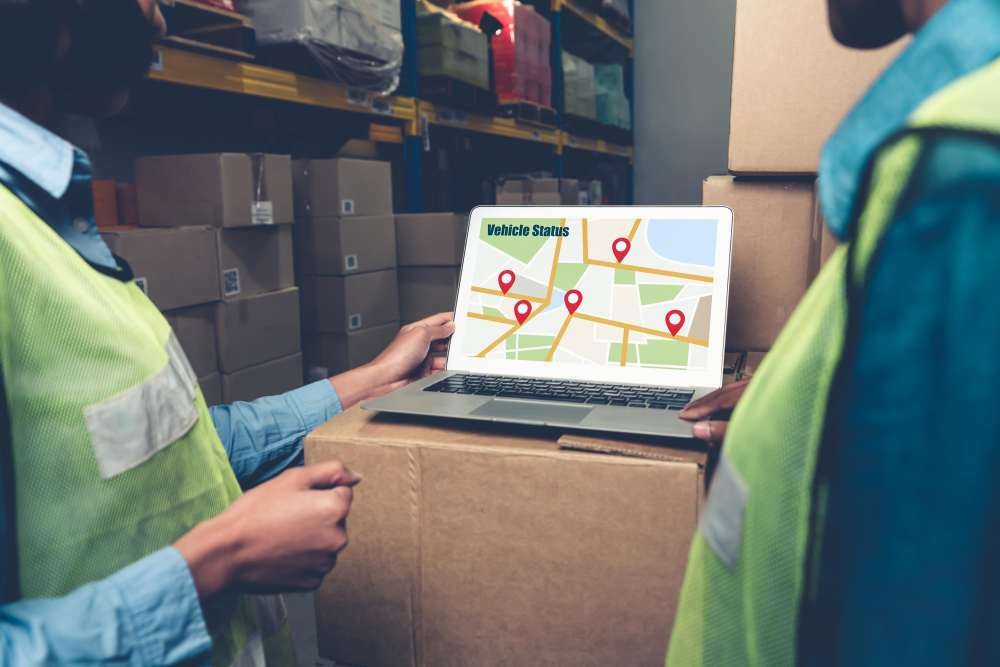
- Real-time visibility and intelligent routing form the foundation: Effective last mile delivery software provides continuous tracking and advanced algorithms that optimize routes, reduce costs, and ensure SLA compliance across high-frequency operations.
- Scalability and integration determine long-term success: AI-powered architecture and seamless API integration with TMS, WMS, and ERP systems prevent data silos and support exponential growth without performance degradation.
- FarEye delivers measurable operational improvements: Organizations achieve 40% cost reduction, 56% on time delivery improvement, and 90% planning time reduction through FarEye's AI-powered capacity forecasting and autonomous scheduling.
- Strategic implementation maximizes platform value: Phased rollout, comprehensive training, and clear selection criteria ensure successful adoption and maximum return on investment for last mile delivery software.
High-frequency delivery environments demand sophisticated last mile delivery software handling exponential complexity and volume. Selecting an appropriate delivery platform is a critical decision that significantly determines operational success.
Modern last mile delivery platform capabilities address challenges impossible with legacy systems. Understanding selection criteria enables confident decision-making for organizational growth. Last mile delivery software evaluation requires assessing multiple technical and operational factors systematically.
Poor selection creates operational inefficiency, integration conflicts, and technology debt. Proper platform investment drives profitability, customer satisfaction, and competitive advantage. Let's explore key factors in selecting optimal software for high-frequency operations and how FarEye delivers enterprise-grade last mile delivery software for the same.
5 Critical Factors to Consider When Selecting Last Mile Delivery Software
Choosing optimal last mile delivery software requires evaluating multiple interconnected technical elements. Understanding selection criteria reveals which platforms systematically deliver organizational objectives.
1. Real-time Visibility and Tracking Capabilities
Effective last mile delivery software provides continuous tracking throughout the entire delivery network. The system must integrate GPS, mobile applications, and backend infrastructure seamlessly. Real-time visibility enables proactive management and prevents communication breakdowns.
Platforms lacking transparency prevent teams from coordinating effectively across departments. Advanced tracking enables customers to access delivery information, significantly reducing support inquiries.
2. Intelligent Routing and Optimization Features
Advanced algorithms optimize routes, reducing unnecessary mileage and delivery costs. Route optimization software embedded in last mile delivery platform handles complex constraints.
SLA compliance, vehicle capacity, and driver skills require sophisticated analysis. Optimization capabilities directly impact profitability and service level achievement. Route planning software integration ensures consistency across planning and execution phases.
3. Seamless Technology Integration and API Capabilities
Last mile delivery software must integrate with TMS, WMS, and ERP systems. Poor integration creates data silos requiring manual workarounds and duplicate entry.
Comprehensive API capabilities determine the smoothness of implementation and long-term effectiveness. Integration quality directly influences whether the platform becomes a valued tool or a burden.
4. Scalability Supporting Peak Load Performance
AI-powered last mile delivery platform architecture enables handling volume spikes. Software must support exponential growth without performance degradation or system failures.
Scalability determines whether the system grows with business or becomes a bottleneck. Infrastructure quality separates mature platforms from immature solutions, inadequate for growth.
5. Advanced Analytics Revealing Hidden Optimization Opportunities
Comprehensive reporting systematically generates performance metrics and insights for improvement. Machine learning capabilities enable predictive analytics, improving the quality of decision-making.
Analytics depth determines the competitive advantage gained from technology investment. Data-driven insights transform operations from reactive firefighting to proactive improvement.
How FarEye Delivers a Comprehensive Last Mile Delivery Software
FarEye provides comprehensive last mile delivery software addressing high-frequency delivery challenges. The platform combines advanced AI agents, real-time optimization, and autonomous decision-making.
1. Customer Communication Automation and Self-Service Capabilities
The system reduces WISMO inquiries by 67% through proactive communication. Customers resolve 70% of routine inquiries through self-serve portals. Branded tracking improves the customer experience, significantly reducing missed deliveries. Communication automation substantially reduces the support team's burden.
2. Smarter Capacity Forecasting and Network Design
FarEye's last mile delivery software reduces capacity forecasting time by 90%, enabling strategic planning. Network planners accurately forecast requirements 12 months in advance.
Territory planning adapts dynamically to changing delivery patterns and demand. Digital twin technology enables optimizations that are impossible with traditional approaches.
3. Real-time Scheduling and Slot Management Powered by AI
Fleet managers consistently achieve a 2X improvement in stops per hour. The system manages real-time slot availability, preventing double-booking and delays. AI-powered scheduling delivers 95%+ on-time delivery rates systematically. Autonomous scheduling reduces the dispatcher's burden, enabling a focus on strategy.
4. Autonomous Exception Management and Proactive Resolution
Control tower agents reduce firefighting activities by 60% through automation. Real-time exception detection flags issues, preventing customer impact. Automated resolution enables proactive rather than reactive operations. Intelligence systematically prevents SLA breaches and penalties.
5. Unified Carrier Integration and Smart Selection
FarEye integrates disparate carrier systems, providing complete unified visibility. Dispatchers reduce carrier RFP response time by 80% through automation. Multi-carrier optimization achieves 15% cost reduction through intelligent routing. Integration quality prevents information silos that negatively affect coordination.
6. AI Agents Enabling Autonomous Decision-making
The route optimization agent optimizes routes cost-effectively, improving efficiency. The territory planning agent assigns territories dynamically based on demand patterns. The Smart Trip agent analyzes driver behavior, continuously improving safety. Hyper-personalization enables customized delivery experiences, improving customer satisfaction.
Africa's second-largest retail group cut delivery costs by roughly 3% per shipment while doubling order volume, after FarEye's branded tracking and proactive updates brought its WISMO calls down and lifted customer NPS by 15 points. Read the Full Case Study.
Implementation Best Practices for Last Mile Delivery Software Success
Successful software deployment requires strategic planning and organizational commitment to be systematic. Understanding implementation best practices enables maximum value realization from platform investment.
1. Define Clear Selection Criteria and Requirements
Document operational requirements specific to a high-frequency delivery environment. Establish evaluation criteria weighting technical, financial, and operational factors. Clear requirements systematically prevent feature creep during the selection process.
2. Conduct a Comprehensive Vendor Evaluation and Comparison
Request demonstrations of operational scenarios that reveal real capability. Evaluate vendor support quality and implementation expertise thoroughly. Reference checks with similar organizations reveal real-world performance data.
3. Plan Phased Implementation Minimizing Operational Disruption
Implement last mile delivery software in geographic or functional stages. Pilot programs test approaches before full-scale rollout, reducing risk. Phased implementation enables continuous learning and optimization.
4. Invest in Comprehensive Team Training and Change Management
Train operations teams, dispatchers, drivers, and customer service representatives systematically. Change management communication ensures organizational adoption and engagement. Skilled users maximize value realization and benefit capture on the platform.
Enable High-frequency Delivery Success with FarEye's Last Mile Delivery Software
Selecting appropriate last mile delivery software determines operational success in competitive logistics environments today. High-frequency delivery operations demand sophisticated platforms handling complex variables systematically without manual intervention.
A comprehensive evaluation ensures the selection of software that delivers organizational objectives across all functions. FarEye delivers a comprehensive last mile delivery platform addressing operational challenges completely through intelligent automation.
Using FarEye, businesses consistently achieve a 40% cost reduction through route optimization and carrier orchestration. On-time delivery rates improve by 56% through predictive analytics and real-time visibility.
Contact FarEye today to assess your software needs comprehensively against industry benchmarks. Schedule a demonstration to see capabilities that address the specific operational challenges your organization faces daily. Develop an implementation roadmap to achieve operational excellence and financial objectives within your timeline.
Contact FarEye Today →Frequently Asked Questions
What is the best last mile delivery software for high-frequency deliveries?
The best last mile delivery software should support high order volumes, dynamic routing, real-time execution, and scalable delivery orchestration. FarEye enables enterprises to manage complex last-mile operations with AI-powered planning and visibility.
What factors should you consider when selecting last mile delivery software?
Businesses should evaluate scalability, routing capabilities, integrations, real-time tracking, automation, customer communication, analytics, and support for multiple fleet models.
Why is scalability important in last mile delivery software?
Scalability helps enterprises handle seasonal spikes, growing order volumes, expanding territories, and evolving delivery models without affecting operational performance.
What features does last mile delivery software need for high-frequency operations?
High-frequency operations require AI routing, automated scheduling, capacity planning, driver management, real-time tracking, exception handling, and customer communication features.
How does multi-carrier integration improve delivery operations?
Multi-carrier integration creates centralized visibility across delivery partners, improves carrier allocation, standardizes workflows, and helps enterprises manage capacity fluctuations efficiently.
How does AI-powered scheduling achieve high on-time delivery rates?
AI-powered scheduling analyzes demand, capacity, routes, and constraints to assign optimal delivery slots while reducing delays and improving on-time performance.
How do FarEye's AI agents enable autonomous delivery decisions?
FarEye's AI agents autonomously manage routing, scheduling, driver coordination, exception recovery, and delivery decisions while maintaining human oversight for critical actions.
What measurable results does FarEye's last mile delivery software deliver?
FarEye delivers measurable outcomes, including 22% higher first-attempt delivery rates, 95%+ on-time deliveries, and up to 20% improvement in capacity utilization.
How do you implement last mile delivery software successfully?
Successful implementation requires system integration, accurate operational data, defined workflows, team training, pilot testing, performance measurement, and continuous optimization after deployment.