Table of Contents
- What is AI-driven Transportation Route Optimization?
- How AI and ML Elevate Traditional Route Optimization
- Key Features of Leading Transportation Route Optimization Software
- Measurable Benefits of Using AI-based Optimized Transport Routes
- Challenges and Best Practices in Implementation
- FarEye: AI-Powered Route Optimization That Solves Every Dispatcher’s Challenge
- What’s Next for AI and Route Optimization
- Strategic Takeaways for Logistics Leaders
Let Our Experts Optimize Your Deliveries Today
Let's talkLogistics and delivery operations in the United States are under mounting pressure from surging e-commerce volume, tighter delivery windows and rising fuel and labor costs. Businesses with fleets often wrestle with inefficient routing, empty miles, missed customer commitments and ballooning operational expenses.
That’s where transportation route optimization becomes essential. It creates smart, efficient routes tailored for delivery networks, reducing travel time, fuel consumption and labor strain. Designed for dispatchers, fleet managers, logistics providers and enterprise carriers, this solution helps cut costs while improving reliability in both B2B and B2C delivery environments.
The route-optimization software market reached around USD 7.75 billion and is projected to grow to about USD 8.79 billion by year-end, a clear sign of how crucial efficient routing has become.

What is AI-driven Transportation Route Optimization?
Transportation route optimization refers to planning vehicle paths in multi-stop operations so travel time, cost and resource use are minimized. Traditional methods rely on fixed maps and manual planning. AI-driven transportation route optimization adds predictive models, real-time data and continuous adaptation.
Where classic routing might fix a sequence of stops in advance, AI-powered systems adjust dynamically: reordering stops when traffic shifts, assigning new urgent orders mid-day and predicting delays before they happen.
Transportation route optimization software built on AI and machine learning transforms planning from reactive to proactive. Optimized transport routes become living plans that adapt through the delivery day, rather than fixed checklists that break when something unexpected occurs.
How AI and ML Elevate Traditional Route Optimization
Every robust AI system for transportation route optimization rests on a set of core components. Understanding these helps dispatchers assess vendors and make better decisions.
- Data Inputs and Historical Patterns
This includes past travel times between stops, driver speed (including slow-downs), service times at each stop, vehicle types and road restrictions. Machine learning models feed on this data - Traffic, Weather, External Event Data
Live feeds (traffic jams, accidents, weather) allow dynamic routing. Future delays are predicted based on past data. - Order Constraints and Vehicle/Driver Profiles
Volume, weight, time windows when deliveries must occur, capacity limits and driver shift schedules. Systems must know these constraints. - Algorithms and model types:
- Heuristics and meta-heuristics (e.g., Genetic Algorithms, Tabu Search) for large-scale VRP (Vehicle Routing Problem).
- ML for predicting service time or traffic congestion.
- Sometimes reinforcement learning or hybrid models are used for adapting routing decisions in real-time.
- Real-time vs batch processing
Offline / batch planning works well for a day ahead; real-time recalculation is essential during the delivery window. - Integration with IoT/GPS/Telematics
To track where vehicles are, how delays occur and feed data back to improve future routing.
Key Features of Leading Transportation Route Optimization Software
Dispatchers and allocators should evaluate software based on these must-have features when selecting a system.
- Capacity Planning and Mixed Fleet Support
Handling heavy/freight vehicles, vans and possibly EVs; matching orders to appropriate vehicles. - Time Windows and Delivery Slot Constraints
Ensuring customers’ specified windows are respected; avoiding penalties or broken promises. - Dynamic Rerouting/Real-time Adjustments
Ability to reassign stops if one driver is delayed or to incorporate a last-minute urgent order. - What-if Simulations and Scenario Planning
Testing what happens if traffic worsens, one vehicle breaks down or volume spikes. - Analytics, Reporting and Dashboards
Key metrics like route deviation, fuel consumption, empty miles, driver utilization and on-time performance. - User Interface Geared for Dispatchers and Allocators
Clarity, flexibility and ability to override; a mobile tool for drivers. - Environmental/Carbon Footprint Metrics
Tracking emissions, minimizing empty miles and favoring greener routing.
When evaluating transportation route optimization software, prioritize scalability, ease of integration (with existing OMS/WMS/TMS), vendor support and cost (both upfront and in ongoing operations).
Measurable Benefits of Using AI-based Optimized Transport Routes
When implemented correctly, AI-based routing delivers measurable gains. Here are what dispatchers and allocators typically observe.
- Cost Savings
Lower fuel consumption, reduced overtime and less vehicle maintenance. Many operations achieve 15-25% cost reduction just by improving routing and eliminating wasted travel. - Increased Productivity and Vehicle Utilization
More stops per route, less idle time. Vehicles operate closer to full capacity rather than returning with empty miles. - Higher On-time Delivery and Customer Satisfaction
Optimized transport routes decrease missed windows, improve first-attempt deliveries and improve customer feedback and retention. - Reduced Mileage and Travel Time
By reordering stops, using real-time traffic info, companies cut unnecessary detours and idle time. - Environmental Benefits
Lower emissions from fewer miles, reduced fuel use. Companies also feel regulatory and social pressure to reduce carbon impact optimized routing contributes directly.
Challenges and Best Practices in Implementation
Even with the best intentions, implementing AI-driven transportation route optimization faces real obstacles. Here are what you should watch out for and how to overcome them.
Challenges
- Data Quality and Availability: Inaccurate addresses, missing travel-time data, lack of historical service times.
- Real-time Latency: Delays in traffic/weather feeds or GPS data degrade the usefulness of dynamic routing.
- Handling Complex Constraints: Mixed fleets, legal/regulatory limitations, driver rest periods, weight/size limits.
- Integration with Legacy Systems: Many firms already use OMS/TMS/WMS that are not built to communicate with advanced route optimization platforms.
- Change Management and User Trust: Dispatchers may resist automation; drivers may distrust new sequences; they need education and transparency.
Best Practices:
Begin with a pilot region or depot to gather evidence and refine workflows.
- Set clear KPIs: Cost per mile, on-time rate, first-attempt success, fuel usage.
- Invest in data hygiene: Clean address data, ensure GPS/telematics set up and collect historical route/stops data.
- Choose vendors with strong support, flexible architecture and the ability to adapt to constraints.
- Provide training for dispatchers and drivers, with dashboards that allow override and explanation.
- Build feedback loops: measure what went wrong, update models, adjust predictions.
FarEye: AI-Powered Route Optimization That Solves Every Dispatcher’s Challenge
Dispatchers who struggle daily with delays, mis-addresses and route disruptions find that FarEye’s AI-based routing and machine learning-powered transport optimization software offers a realistic, adaptive solution to all their transport route challenges.
- FarEye’s AI-powered routing algorithm predicts delays by combining historical traffic data, driver schedules, delivery time windows and road condition inputs.
- The system applies real-time rerouting: when unexpected issues (traffic, weather, last-minute orders) emerge, it immediately adjusts optimized transport routes to keep deliveries on time.
- It cleans and geocodes address data to remove ambiguity; this ensures drivers don’t waste time with wrong, incomplete or mislocated stops.
- Supports multiple vehicle types (mixed fleet: owned, outsourced, EVs) and enforces constraints like capacity limits, legal/driver hours and time windows.
- Provides full visibility via dashboards & control-towers: route adherence, deviations, driver status, ETAs, so dispatchers can monitor, intervene or compensate proactively.
- Integrates with Order Management Systems (OMS), Warehouse Management Systems (WMS) and GPS/telematics feeds so data silos vanish and all systems work together.
- Designed for scale: handles large order volumes, manages multi-stop routes, during peak demand periods with consistent performance.
- Offers environmental routing features (EV routing, green-fleet support, factoring charging stations) to reduce emissions and align with sustainability goals.
What’s Next for AI and Route Optimization
Looking ahead, transportation route optimization is evolving rapidly. These trends will shape what top dispatchers allocate and expect.
- Sustainability and Green Routing
More routing engines will incorporate emissions, idle times and fuel types into route cost; EVs will require optimized paths with charging stops. - Multi-modal and Collaborative Deliveries
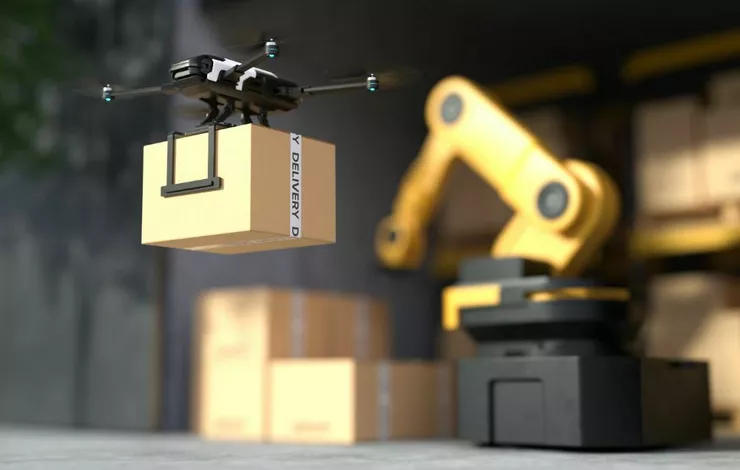
Using drones, robots and smaller vehicles for the last leg, syncing with trucks for the middle mile; co-optimization of modes to optimize cost and speed. - Edge Computing/IoT Integration
On-device data processing, faster rerouting decisions and more granular telemetry from vehicles and stops. - Predictive-prescriptive Analytics
Systems that not only predict delays but also suggest remedial actions (reroute, adjust schedule, swap loads) automatically. - Natural Language and Decision Support Tools
Dispatchers asking tools via conversational interfaces, dashboards that surface risks proactively, scenario planning baked in.
Strategic Takeaways for Logistics Leaders
Transportation route optimization has moved from an optional improvement to a strategic necessity for enterprises that manage large fleets, customer-facing deliveries or tight schedules. AI-driven systems deliver optimized transport routes that reduce costs, improve on-time performance and boost utilization of fleets and staff.
Leaders should begin by auditing current routing practices, gathering clean data, defining KPIs and selecting transportation route optimization software that supports real-time adaptability, mixed constraints and integrates with existing systems. FarEye illustrates how enterprise tools designed for AI/ML-powered routing can transform operations from reactive to proactive.
Sources:
https://www.thebusinessresearchcompany.com/report/route-optimization-software-global-market-report