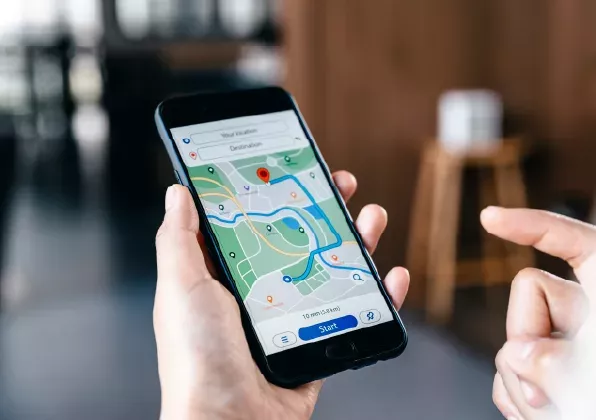
- A multi route planner helps courier teams manage dense routes, overloaded zones, driver shortages, and rising delivery costs.
- It plans multiple routes together across territories, stops, drivers, vehicles, customer time windows, and delivery priorities.
- Courier teams can use a route planner for several stops to improve sequencing, workload balance, and delivery density.
- A route finder for multiple stops supports feasible planning across traffic, service time, capacity, and route constraints.
- FarEye strengthens courier operations with territory planning, AI routing, Control Tower visibility, and automated driver workflows.
- This helps teams reduce miles, protect SLAs, and improve customer confidence.
The courier, express, and parcel services market was valued at USD 476.5 billion in 2025. It is expected to reach USD 975.2 billion by 2035, as faster delivery promises increase courier network pressure. For logistics leaders, that growth brings dense routes, overloaded zones, driver shortages, and rising delivery costs.
A multi route planner helps courier teams plan multiple delivery routes together across territories, drivers, stops, and customer time windows. Fixed planning cannot handle same-day demand, late order injections, and uneven zone density. Let's explore how smarter routing, territory planning, and FarEye help courier teams improve multi-zone delivery execution.

Why Courier Operations Need a Multi Route Planner
Courier teams manage overlapping routes, shifting stop density, tight delivery slots, and constant dispatcher pressure. A multi route planner helps teams balance work before routes leave the hub.
1. Single-route Planning Creates Zone Imbalance
Planning one route at a time overloads some drivers while leaving nearby capacity unused across other delivery zones.
2. Fixed Routes Cannot Absorb Daily Volume Swings
Same-day orders, cancellations, and peak spikes make morning routes outdated long before drivers finish their shifts.
3. Manual Dispatching Does Not Scale Across Zones
Dispatchers juggling spreadsheets across several zones spend hours rebuilding routes instead of preventing delivery failures.
Courier performance improves when every zone, driver, and stop is planned through one connected routing layer.
A leading express logistics company in Thailand used FarEye Route to run the same delivery workload with 130 vehicles instead of 300. Territory and capacity planning also cut dispatcher headcount by 70% and dispatch-process time by 66%. Check out the Full Story.
What a Multi Route Planner Actually Does
Multi-route planning combines batching, sequencing, route assignment, capacity checks, and exception handling across active courier operations. A multi route planner improves the whole network instead of optimizing one driver's route separately.
1. Plans Multiple Routes Together
The system builds connected routes across service territories, delivery windows, driver shifts, vehicle capacity, and customer priority levels.
2. Balances Stops and Assignments Across Drivers
A route planner for multiple stops assigns work by shift timing, zone familiarity, vehicle capacity, skills, and workload.
3. Checks Feasibility Before Dispatch
A route finder for multiple stops tests traffic, service time, delivery windows, and capacity before routes go live.
4. Re-optimizes Routes During Execution
Dynamic routing resequences affected stops when traffic, cancellations, or urgent orders disrupt active courier routes.
5. Surfaces At-risk Stops in Real Time
Control tower visibility tracks ETA drift, route deviation, late stops, and driver-level risks across every zone.
6. Closes Deliveries With ePOD and Notifications
Electronic proof of delivery, OTP validation, branded tracking, and proactive ETA notifications reduce disputes and WISMO calls.
Multi-route planning gives courier leaders stronger control across zones, not isolated improvements on one route.
Why Territory Planning Matters in Multi-zone Courier Delivery
Territory planning decides how demand should be distributed before daily route generation begins. A multi route planner becomes stronger when territories, density, and capacity are planned together.
1. Territory Boundaries Shape Daily Route Efficiency
Clear zone boundaries reduce route overlaps, deadhead miles, driver confusion, late arrivals, and unnecessary dispatcher interventions.
2. Density Smoothing Balances Workloads
Density smoothing balances delivery demand across days and territories to improve vehicle utilization and driver productivity.
3. Capacity Forecasting Prevents Zone-level Gaps
Capacity forecasting helps teams prepare driver, fleet, and carrier resources before peak delivery volumes reach the network.
4. Hub Network Optimization Improves Coverage
Hub network optimization improves origin placement, delivery reach, route start points, and final-mile service coverage.
FarEye's PLAN supports territory, capacity, and cost planning through density analysis, demand smoothing, territory sizing, and capacity forecasting.
How Multi Route Planning Improves Courier Delivery Performance
Courier leaders need measurable gains across cost, delivery speed, service quality, and driver productivity. A multi route planner turns planning intelligence into practical improvements across each delivery zone.
1. Higher Stops per Driver
Balanced routes let drivers complete more stops per shift without overtime or uneven daily workloads.
2. Lower Cost per Stop
Fewer wasted miles and less empty travel reduce fuel spend and cost per stop across every zone.
3. Higher First-attempt Delivery Rates
Feasible routes and accurate ETAs mean more customers are home when the courier arrives.
4. Stronger SLA and OTIF Compliance
Earlier risk detection gives dispatchers time to reassign stops before delivery commitments are missed.
A multi route planner improves daily execution while creating better long-term network planning data.
Blue Dart improved first-attempt deliveries by 22% and gained 360-degree visibility across ground operations using FarEye Route, Track, and Experience. Their teams recover delays before SLA windows close. Read how They did it.
How FarEye Supports Multi Route Planning and Territory Optimization
FarEye helps courier teams connect territory planning, AI routing, driver workflows, visibility, and delivery experience. The multi route planner supports courier teams across planning and live execution.
1. FarEye's PLAN for Territory, Capacity, and Cost Planning
FarEye's PLAN helps teams analyze density, smooth demand, decide territory size, plan capacity, and optimize cost.
2. Dynamic Boundaries for Changing Delivery Patterns
Dynamic territory boundaries adapt to shifting demand patterns, seasonal peaks, new delivery areas, and changing customer behavior.
3. AI-based Routing Across Multiple Zones
FarEye routes orders using driver capacity, road conditions, service commitments, vehicle rules, and active delivery constraints.
4. Control Tower Visibility for Live Delivery Recovery
Control tower teams can monitor route progress, trigger exception workflows, and recover delays before SLA windows close.
5. Automated Driver Workflows for Faster Stop Updates
Automated stop-level workflows reduce driver clicks and help field teams update job statuses faster during delivery execution.
FarEye strengthens the multi route planner model by connecting territory planning with real-time routing and recovery.
FarEye Impact for Courier and Last-mile Delivery Teams
Courier leaders need proof before investing in routing technology across large delivery operations. FarEye's impact shows how planning automation can improve cost, utilization, service levels, and delivery quality.
| Metric | FarEye Impact |
|---|---|
| Vehicle Utilization | 18% increase through optimized territory planning |
| Fleet Cost | Around 10% reduction |
| Planning Time | 90% reduction |
| Service Levels | 12% improvement |
| Route Generation | 90% faster |
| WISMO Calls | Up to 67% reduction |
Implementation Best Practices for a Multi Route Planner
Rollout success depends on clean data, configured territories, dispatcher training, and measurable performance reviews. A multi route planner delivers better results when teams prepare operational workflows before go-live.
1. Clean Address and Geocoding Data
Poor address quality creates inaccurate ETAs, failed stops, bad sequencing, and unnecessary route deviations.
2. Define Territory Rules Before Go-live
Set zone boundaries, driver assignments, carrier rules, service windows, capacity limits, and exception workflows early.
3. Run Parallel Route Simulations
Compare AI-generated routes with existing plans to validate mileage, workload balance, feasibility, and delivery performance.
4. Train Dispatchers for Exception Management
Dispatchers should shift from manual route building toward monitoring risk, resolving exceptions, and protecting delivery commitments.
5. Track Performance by Zone
Measure cost per stop, miles per route, stops per hour, failed attempts, WISMO volume, and SLA compliance.
A measured rollout helps teams unlock value from route planning software without disrupting active courier operations.
Build Smarter Multi-zone Courier Operations With FarEye
Courier teams cannot improve multi-zone performance when dispatchers depend on disconnected spreadsheets and fixed route plans. A multi route planner helps teams balance territories, assign capacity, reduce overlaps, and recover faster from daily disruptions.
FarEye brings territory planning, route optimization software, AI-based routing, driver workflows, control tower visibility, and customer communication into one execution layer. Teams can adjust zones, rebalance workloads, and manage exceptions before delays affect customers or SLA performance.
This creates a stronger operating model for same-day, next-day, and high-density courier delivery networks at scale. This helps courier leaders reduce miles, improve driver productivity, protect SLA performance, and improve customer confidence across every zone.
Book a meeting with FarEye to improve courier routing performance across your delivery network at scale.
Book a Meeting With FarEye →Frequently Asked Questions
Why do courier operations need a multi route planner?
Courier operations need multi route planners to coordinate multiple drivers, zones, stops, and constraints while improving efficiency, capacity utilization, and delivery reliability.
Why does territory planning matter in multi-zone courier delivery?
Territory planning balances delivery workloads across zones, reduces unnecessary travel, improves driver productivity, and helps maintain consistent service levels.
What core capabilities should a courier multi route planner include?
Core capabilities include route optimization, territory management, capacity planning, real-time adjustments, driver assignment, tracking, analytics, and exception handling.
How does a multi route planner improve courier delivery performance?
A multi route planner improves performance by optimizing stop sequences, balancing workloads, reducing mileage, improving ETAs, and increasing successful delivery rates.
How does FarEye support multi route planning and territory optimization?
FarEye supports multi route planning through AI optimization, real-time visibility, dynamic adjustments, capacity balancing, and intelligent territory management across courier networks.
What measurable results does FarEye's multi route planner deliver?
FarEye delivers measurable improvements, including 18% lower delivery costs, 75M+ kilometers saved, and enhanced route efficiency through intelligent optimization.
What are best practices for implementing a multi route planner?
Best practices include accurate address data, defined territories, system integration, driver training, phased deployment, KPI monitoring, and continuous route optimization.
What are WISMO calls in courier delivery?
"Where is My Order?" (WISMO) calls are customer inquiries about shipment status, often reduced through real-time tracking and proactive delivery updates.
What is the best multi route planner for courier operations?
The best multi route planner combines AI routing, real-time visibility, automation, and scalability. FarEye helps courier operations manage complex delivery networks efficiently.
Reference: Wadhwani, Preeti, and Aishvarya Ambekar. "Courier, Express and Parcel Services Market Size & Share 2026–2035." Global Market Insights. Published April 2026. Figures are subject to change — verify current numbers before publishing updates.