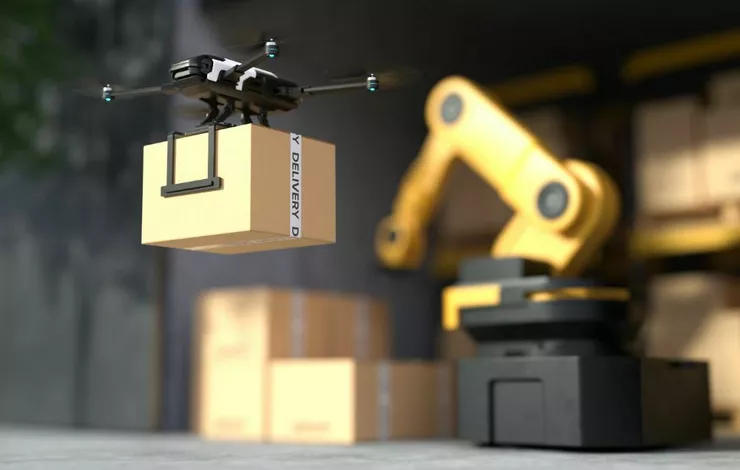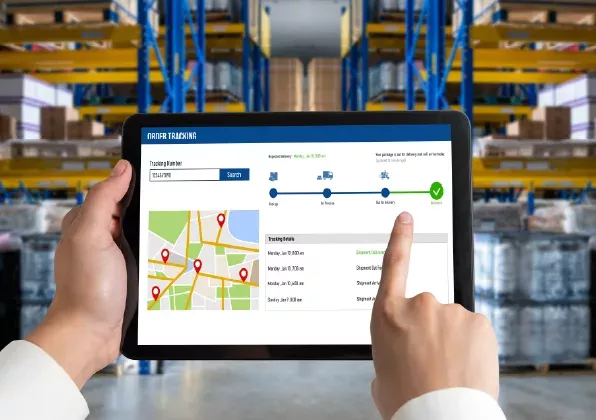
- The post-dispatch black hole: Once packages leave the warehouse, most tracking systems stop providing meaningful data. Without a unified last mile delivery tracker, GPS pings arrive inconsistently, ETAs remain static, and exceptions go undetected until customers call.
- Real cost of blind spots: WISMO calls drain support resources, SLA breaches accumulate invisibly, and carrier accountability gaps persist. A robust last mile delivery tracker surfaces real-time status automatically, preventing costly reactive workflows.
- What a last mile delivery tracker actually delivers: Real-time driver location, dynamic ETA recalculation, automated exception detection, proactive customer communication, and electronic proof-of-delivery transform post-dispatch chaos into strategic operational control.
- FarEye's proven impact: FarEye's last mile delivery tracker cuts WISMO calls by 67%, reduces missed deliveries by 25%, and enables 70% of routine enquiries to be self-served. Additionally, Smart Trip driver tracking reduces navigation errors by up to 50%.
The last mile delivery market is surging toward $277.76 billion by 2030 at 8.6% CAGR, yet dispatch remains where visibility breaks down. Packages vanish into fragmented networks of private fleets, third-party carriers, and gig drivers, leaving enterprises managing customer expectations with incomplete data, reactive workflows, and support costs.
Post-dispatch visibility transforms operational chaos into strategic control through a last mile delivery tracker, enabling real-time monitoring, proactive issue resolution, and optimized performance across multi-carrier networks. Consequently, operations teams achieve reduced support burden and greater delivery reliability.
Leading enterprises are prioritizing this capability to close the visibility gap, turn last mile delivery into a competitive advantage, and finally see what happens after dispatch. Let's learn why post-dispatch visibility is the most critical investment in delivery operations today, and how FarEye helps enterprises optimize it.
Why Last Mile Visibility Often Breaks Down After Dispatch
The moment a shipment leaves the warehouse, most tracking systems lose meaningful visibility. Here is where the post-dispatch breakdown begins and why it compounds across every carrier type.
1. The Post-dispatch Black Hole
Once packages leave the warehouse, most tracking systems stop providing meaningful data. GPS pings arrive inconsistently, ETAs are fixed rather than dynamic, and exceptions go undetected until customers call. The post-dispatch black hole is where delivery performance quietly deteriorates.
2. Multi-carrier Complexity Compounds the Problem
Private fleets transmit telematics data through proprietary systems. Third-party logistics partners send batch updates every few hours. Gig drivers operate through consumer apps with limited API access. Without a unified last mile delivery tracker, operations teams are stitching together incomplete data from incompatible sources, making real-time decisions impossible.
3. Customer Expectations vs. Operational Reality
Customers expect live tracking updates, accurate delivery windows, and proactive communication when plans change. The gap between what customers expect and what disconnected systems can deliver generates WISMO calls, negative reviews, and lost repeat purchases that compound over time.
4. Failed Deliveries and Their Ripple Effect
Every failed delivery attempt triggers re-delivery costs, additional support contacts, and measurable customer dissatisfaction. Most failed deliveries are preventable with better last mile driver tracking that surfaces address issues, driver delays, and access problems before the first attempt fails.
The Real Cost of Post-dispatch Blind Spots in Last Mile Delivery
Visibility gaps do not just create operational friction. They translate directly into financial loss, damaged customer relationships, and carrier accountability failures that are difficult to reverse without the right last mile delivery tracker in place.
"Where Is My Order?" (WISMO) Call Volumes Drain Support Resources
WISMO calls are the most expensive and most preventable contact type in last mile logistics. Without a last mile delivery tracker surfacing real-time status to customers automatically, support teams absorb an enormous volume of enquiries that technology should be handling.
SLA Breaches Accumulate Invisibly
Without real-time exception detection, SLA breaches are discovered after the fact rather than prevented in advance. By the time a breach is visible in end-of-day reporting, the window for intervention has already closed, and the penalty has already been incurred.
Carrier Accountability Gaps Persist
No performance data means no accountability. Underperforming carriers continue operating without consequence when last mile driver tracking data is unavailable or inconsistent. Standardized performance measurement across all carrier types is impossible without unified visibility.
What a Last Mile Delivery Tracker Actually Does
A last mile delivery tracker does far more than show a dot on a map. It transforms post-dispatch operations from a reactive guessing game into a proactive, data-driven system that protects both margins and customer relationships.
1. Real-time Driver Location and Dynamic ETA Updates
An effective last mile delivery tracker provides live GPS feeds and dynamically recalculates ETAs using real-time traffic data, stop density, and driver behavior patterns. Customers receive accurate delivery windows rather than static estimates that drivers cannot meet.
2. Automated Exception Detection and Alerts
Delays, long halts, route deviations, and potential failed delivery signals are flagged instantly through automated exception detection. Operations teams can intervene before customers are impacted rather than responding after complaints arrive.
3. Proactive Customer Communication
Branded notifications, delivery window updates, and self-serve rescheduling options significantly reduce inbound support contacts. Customers stay informed through their preferred channels without requiring agent involvement for routine status updates.
4. Proof-of-Delivery (PoD) and Chain of Custody
Electronic PoD (ePoD), photo capture, and digital signature confirmation close the loop on every shipment. A complete last mile delivery tracker captures the full chain of custody from dispatch to doorstep, eliminating disputes and protecting revenue.
Key Features to Look for in a Last Mile Delivery Tracker
Not every tracking solution delivers genuine post-dispatch control. These are the capabilities that separate an enterprise-grade last mile delivery tracker from a basic GPS tool.
1. Multi-carrier Unified Visibility
A single control tower across owned fleets, outsourced partners, and gig networks is the foundation of any effective last mile delivery tracker. Planners and dispatchers need one interface, not five.
2. AI-powered ETA Accuracy
Dynamic ETA recalculation using traffic conditions, stop sequence, and historical driver performance patterns separates genuine last mile delivery trackers from basic GPS solutions.
3. Branded Customer Tracking Portal
White-label tracking pages, SMS and WhatsApp notifications, and self-serve delivery management options preserve brand trust while reducing the support burden across all shipment types.
4. Advanced Last Mile Driver Tracking Capabilities
Live driver location, behavior analysis, Hours-of-Service (HoS) compliance, and navigation performance data give dispatchers the intelligence to make better real-time decisions and hold drivers accountable to consistent standards.
5. Exception Management Workflows
Structured exception handling that auto-triggers reassignments and escalations replaces reactive firefighting with proactive recovery. The right last mile delivery tracker should prevent SLA breaches, not just report them.
How FarEye's Last Mile Delivery Tracker Closes Post-dispatch Gaps
FarEye provides enterprise-grade last mile delivery tracker capabilities purpose-built for multi-carrier environments. Across every layer of post-dispatch operations, the platform delivers measurable impact.
1. Real-time Carrier Control Tower
FarEye's last mile delivery tracker unifies private fleets, 3PL partners, and gig networks into a single control tower, eliminating the post-dispatch blind spot entirely. Dispatchers see every driver's location, every active exception, and every SLA risk in real time through a single interface.
2. AI-driven ETA Recalculation and Smart Routing
Dynamic ETA updates flow through FarEye's last mile tracker, continuously factoring live traffic, stop density, and driver behavior to keep customer communications accurate throughout the delivery window.
3. Smart Trip for Last Mile Driver Tracking
FarEye's Smart Trip agent delivers detailed last-mile driver tracking through behavior analysis, safer driving insights, and navigation performance data. Consequently, operations teams gain the intelligence to coach drivers effectively, reducing navigation errors by up to 50%.
4. Customer Experience That Builds Loyalty
FarEye's last-mile tracker cuts WISMO calls by 67%, reduces missed deliveries by 25% via personalized notifications, and enables 70% of routine enquiries to be self-served. Customer service teams report 50% fewer WISMO tickets and a +15-point increase in NPS.
7 Steps to Maximize Your Last Mile Delivery Tracker Investment
Deploying a last mile delivery tracker successfully requires more than technology selection. A structured rollout approach ensures the platform delivers its full potential from day one.
- Start with the highest-volume carrier lanes for maximum immediate impact.
- Validate GPS timestamp accuracy and geofence reliability before go-live.
- Train dispatchers, customer service teams, and planners on unified interfaces from day one.
- Assign clear ownership for carrier scorecards and establish monthly reviews to surface underperforming partners.
- Conduct quarterly platform assessments to ensure your last mile delivery tracker keeps pace with network evolution.
- Integrate with route planning software early to synchronize dispatch schedules with real-time tracking data.
- Leverage route optimization software to continuously refine delivery sequences based on live traffic and performance analytics.
These steps build in sequence. The GPS and geofence validation in step 2 is what makes the scorecards in step 4 trustworthy, and the tracking data synchronized in step 6 is what route optimization in step 7 actually refines.
Start Winning With FarEye's Last Mile Delivery Tracker
Post-dispatch visibility is no longer optional. Every day without a unified last mile delivery tracker compounds operational costs, erodes customer trust, and widens the gap between your organization and competitors who have already closed it.
Siloed systems and outdated manual processes leave dispatchers blind to real-time disruptions, forcing reactive decisions that frustrate customers and damage brand loyalty. Modern consumers demand precise ETAs and proactive communication at every touchpoint.
FarEye delivers real-time last mile delivery tracking, AI-powered exception management, and branded customer experience capabilities that modern delivery networks demand. Leading logistics providers trust our platform to optimize millions of deliveries daily.
Discover how post-dispatch visibility transforms your delivery performance.
Schedule your personalized last mile delivery network assessment.
Reference: Research and Markets. Last Mile Delivery Market Report, 2026. Accessed March 31, 2026. Figures are subject to change — verify current numbers before publishing updates.