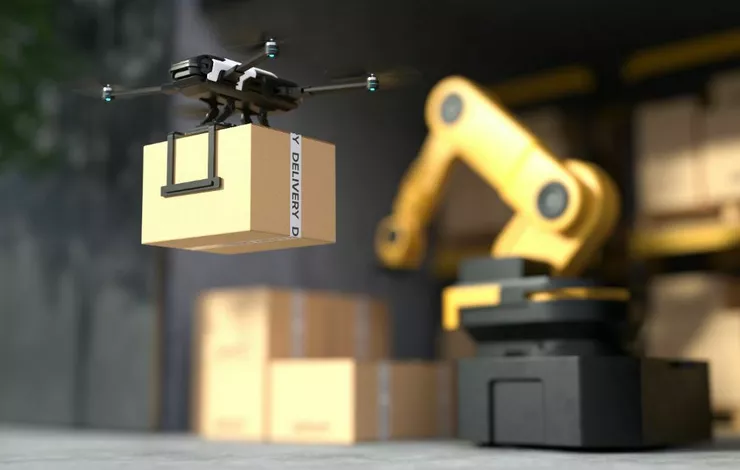
- Last mile delivery is the most expensive phase of the supply chain and requires optimization. Inefficient routing systematically creates wasted miles, missed deliveries, and customer dissatisfaction.
- Modern platforms leverage real-time data, machine learning, and intelligent algorithms automatically. Effective last mile delivery route optimization balances cost reduction, on-time delivery, customer satisfaction, and driver safety.
- Real-world challenges include urban density, traffic patterns, customer expectations, and compliance requirements. Great last mile optimization combines technology, data, and strategy for a measurable competitive advantage.
- FarEye delivers comprehensive solutions that process millions of stops, reducing planning time by 90%. Dynamic routing maintains schedule compliance despite disruptions through real-time adjustment capabilities. Machine learning systematically improves predictions through accumulated operational experience.
- Implementation success requires clear objectives, proper integration, team training, and performance monitoring. Continuous learning and analytics-driven insights help organizations improve dispatch efficiency, increase stops per route, and enhance overall delivery performance.
Last mile delivery is the most expensive phase of supply chain operations, often making up more than 50% of total logistics costs. Inefficient routing creates wasted miles, missed delivery windows, and frustrated customers, pushing enterprises to prioritize efficiency in every route.
Last mile delivery route optimization solves this by combining real-time data, machine learning, and intelligent algorithms to build delivery plans that adapt fast. Effective optimization balances several goals at once, including cost control, on-time performance, customer satisfaction, and driver safety.
Sophisticated solutions can drive measurable operational gains, but technology alone cannot deliver results without accurate data, clear constraints, and disciplined execution. Let's explore how effective last mile delivery route optimization works in practice, and how FarEye helps enterprises strengthen delivery performance.
The Real-world Challenges of Last Mile Delivery Route Optimization
Last mile operations face unprecedented complexity in modern logistics. Managing urban density, traffic patterns, and customer expectations requires sophisticated technology. Last mile delivery route optimization addresses these challenges systematically.
1. Complex Urban Geography and Delivery Density
Urban areas require optimizing hundreds of stops within compact zones. Manual routing cannot compute optimal sequences fast enough for volume. Route optimization software handles complexity instantly, enabling rapid response. Consolidation reduces miles driven, improving efficiency and sustainability. Vehicle utilization increases directly, improving profitability.
2. Traffic Patterns and Real-time Disruptions
Traffic conditions change throughout the day, dramatically affecting delivery times. Fixed routes fail to adapt to dynamic conditions and congestion. Last mile routing platforms integrate real-time traffic data continuously. Dynamic re-routing maintains schedule compliance despite disruptions. Accurate ETAs reduce customer anxiety, improving satisfaction.
3. Customer Expectations for Speed and Flexibility
Modern customers demand narrow delivery windows and flexible options. Fixed scheduling creates failed deliveries, damaging customer relationships. Route planning software enables dynamic slot management, improving conversion. Self-serve scheduling options increase customer satisfaction and retention. Flexible options reduce failed deliveries systematically.
4. Driver Compliance and Safety Requirements
Regulatory requirements limit driver hours and mandate breaks. Manual planning struggles with managing compliance across operations. Last mile optimization ensures compliance, automatically protecting operations. Route optimization software prevents violations, reducing liability exposure. Driver safety improves through intelligent constraint management.
5. Perishable Goods and Temperature-controlled Logistics
Perishable deliveries require specialized vehicles and rapid execution. Temperature control adds significant complexity to route planning. Last mile delivery route optimization manages multiple temperature zones automatically. Intelligent vehicle assignment prevents spoilage, protecting product quality. Specialized routing enables systematic delivery of fresh products.
6. Multi-carrier Coordination and Network Complexity
Managing multiple carriers creates coordination challenges and inefficiencies. Different carriers have different capabilities and constraints. Route planning software automatically optimizes carrier selection. Last mile routing balances cost and performance across the delivery network. Unified coordination prevents gaps and duplication.
7. Last-minute Order Changes and Dynamic Demand
Customer orders change throughout the day, affecting planned routes. Demand spikes around peak times, creating capacity pressures. Last mile delivery route optimization adapts to demand changes dynamically. Algorithms reoptimize routes instantly, preventing disruptions. Real-time flexibility maintains schedule compliance despite changes.
One of Greece's most innovative last-mile operators rebuilt its routing on FarEye and cut operational costs in half while pushing first-attempt success to 95%: turning route optimization from a cost center into a margin lever. See the Full Story.
How Great Last Mile Delivery Route Optimization Works in Practice
Effective last mile delivery route optimization combines technology, data, and strategy. Understanding implementation mechanics reveals success factors comprehensively.
1. Data Integration and Real-Time Information
Great last mile delivery route optimization begins with comprehensive data integration systematically. Historical delivery data reveals patterns and opportunities. Real-time traffic, weather, and GPS data enable responsive planning. Machine learning models improve predictions continuously over time. Data quality directly impacts the quality and accuracy of optimization.
2. Multi-objective Last Mile Optimization Balancing Competing Goals
Last mile routing must balance multiple competing objectives simultaneously. Cost minimization competes with on-time delivery requirements. Customer satisfaction conflicts with driver hour limits.
Vehicle utilization conflicts with service flexibility needs. Advanced algorithms balance competing goals, delivering optimal results. Route planning software weighs objectives according to business priorities.
3. Dynamic Route Adjustments and Responsiveness
Great optimization adapts to changing conditions throughout the day. Fixed routes become obsolete when disruptions occur. Last mile delivery route optimization recalculates routes when conditions change. Dynamic adjustments prevent cascading failures, protecting schedules. Real-time responsiveness enables superior reliability and service.
4. Continuous Learning and Improvement
Excellence requires continuous optimization based on results. Machine learning identifies improvement opportunities systematically. Route optimization software continuously learns from operational data. Algorithms improve predictions through accumulated experience. Continuous refinement delivers compounding benefits over time.
5. Vehicle Capacity and Load Optimization
Intelligent consolidation maximizes vehicle capacity, reducing space. Last mile optimization matches orders to appropriate vehicle types. Load balancing prevents overloading, protecting vehicle integrity. Proper weight distribution improves fuel efficiency and safety. Capacity optimization directly improves profitability.
6. Customer Preference Integration and Personalization
Last mile routing considers individual customer preferences and constraints. Delivery window preferences substantially increase customer satisfaction. Special handling requirements receive an appropriate vehicle assignment. Personalization improves first-time delivery rates significantly. Customer-centric optimization strengthens loyalty and retention.
7. Seasonal Demand and Peak Period Management
Machine learning predicts seasonal demand patterns, enabling planning. Last mile delivery route optimization adjusts capacity for peak periods. Holiday surges require systematic, proactive resource allocation. Weather patterns affect routing during seasonal transitions. Predictive planning prevents service failures during peaks.
How FarEye Enables Superior Last Mile Delivery Route Optimization
FarEye combines advanced technology with intelligent optimization, delivering excellence. The platform streamlines last mile operations comprehensively and systematically.
1. Intelligent Route Generation and Optimization
FarEye generates optimal routes, processing millions of stops. Advanced last mile delivery route optimization algorithms balance cost, time, and service objectives. Last mile routing improves significantly through intelligent optimization.
Dynamic routing maintains schedule compliance despite disruptions. Planning time is reduced substantially, enabling rapid response. Route optimization software capabilities enable dispatcherless operations.
2. Real-time Traffic and Weather Integration
The platform integrates real-time traffic data, improving accuracy. Weather forecasts enable proactive route adjustments, preventing failures. Dynamic re-routing maintains schedule compliance despite conditions. ETA accuracy improves through real-time data integration. Customer satisfaction increases through reliable delivery windows.
3. Machine Learning and Predictive Capabilities
The software develops models that continuously improve predictions. Machine learning identifies patterns, optimizing decision quality. Route planning software learns from historical data. Algorithms improve over time, delivering compounding benefits. Continuous learning enables continuous optimization.
4. Performance Monitoring and Analytics
FarEye tracks 61+ operational metrics measuring performance. Comprehensive analytics reveal optimization opportunities. Last mile optimization improves through data-driven insights. Executive dashboards provide visibility into key metrics. Performance tracking enables informed decision-making.
5. FarEye's Last Mile Delivery Route Optimization Impact
Planning time is reduced by 90% through intelligent automation and optimization. Dispatch time decreases 22% year-over-year through advanced algorithms. Stops per route increase by 16% through dynamic consolidation.
First-time delivery rate improves 18% through proactive coordination. Capacity utilization increases 12% through intelligent planning. OTIF rates reach 95%+ through real-time management.
How to Implement Last Mile Route Delivery Optimization?
Successfully implementing last mile delivery route optimization requires a strategic approach. Understanding best practices enables the systematic realization of maximum value.
Step 1: Define Clear Optimization Objectives
Establish specific, measurable goals before implementation begins, since last mile routing success depends on clear priorities that guide every technical and operational decision.
Step 2: Assess Current Operations and Identify Opportunities
Document existing routes and delivery patterns to identify inefficiencies, since last mile optimization analysis reveals improvement potential across the entire operation systematically.
Step 3: Ensure Proper Data Integration
Connect all relevant systems, including fleet, warehouse, and order management data, directly to the optimization platform for accurate, real-time route calculations.
Step 4: Configure the Platform to Match Business Requirements
Set up routing constraints and rules reflecting actual operational needs, since route optimization software must align closely with unique business requirements.
Step 5: Plan a Phased Rollout
Implement the system gradually, testing different approaches and routes carefully before committing to full-scale deployment across the entire delivery fleet network.
Step 6: Train Operations and Driver Teams
Equip operations staff and drivers with thorough, hands-on training, since user adoption largely determines the overall success of the entire implementation.
Step 7: Monitor Performance and Drive Continuous Improvement
Track key optimization metrics consistently to identify emerging improvement opportunities, since last mile routing performance should keep improving steadily over time.
Transform Last Mile Operations With FarEye's Intelligent Route Optimization Software
Last mile delivery route optimization is a critical competitive advantage in modern logistics. Great planning combines technology, data, and strategy to deliver results systematically. Real-world optimization achieves exceptional efficiency improvements across all operations.
Last mile routing reduces costs, improving profitability substantially. On-time delivery improves customer relationships and loyalty. Driver satisfaction increases through better planning and coordination.
FarEye delivers comprehensive last mile delivery route optimization solutions. The platform processes millions of stops instantly, generating optimal routes. Real-time integration enables dynamic adjustments to maintain schedules. Machine learning improves decisions over time continuously. Performance analytics guide optimization systematically.
Contact FarEye to assess your last mile optimization opportunity today. Schedule a demonstration to see advanced optimization capabilities addressing challenges. Request an optimization analysis report measuring potential. Develop an implementation roadmap to achieve operational excellence. Transform last mile operations with FarEye's optimization platform.
Contact FarEye →Frequently Asked Questions
What is last mile delivery route optimization?
Last mile delivery route optimization uses data and algorithms to create efficient routes by balancing distance, time windows, capacity, traffic, and delivery priorities.
What is the best last mile delivery route optimization software?
The best software combines AI routing, real-time adjustments, visibility, and scalability. FarEye helps enterprises optimize complex delivery networks through intelligent route planning.
What are the real-world challenges of last mile route optimization?
Challenges include traffic uncertainty, changing delivery windows, limited capacity, driver availability, failed attempts, and balancing cost with customer expectations.
How does great last mile route optimization work in practice?
Effective optimization analyzes orders, vehicles, drivers, constraints, and real-time conditions to create feasible routes and continuously improve delivery execution.
How does route optimization balance competing delivery objectives?
Route optimization balances cost, speed, service levels, capacity, driver constraints, and customer commitments by evaluating multiple variables before selecting routes.
How does route optimization handle traffic and real-time disruptions?
It uses live traffic data, delivery updates, and operational changes to recalculate routes, helping drivers avoid delays and maintain delivery commitments.
How does route optimization manage temperature-controlled deliveries?
It considers temperature requirements, vehicle capabilities, delivery windows, and handling constraints to assign suitable routes for sensitive shipments.
How does machine learning improve last mile route optimization?
Machine learning improves optimization by learning from historical routes, delivery patterns, traffic trends, and operational outcomes to make smarter predictions.
What measurable results does FarEye's route optimization deliver?
FarEye delivers measurable improvements, including 75M+ kilometers saved, 18% lower average delivery costs, and optimized routes created up to 90% faster.
How do you implement last mile route optimization successfully?
Implementation requires accurate data, system integration, defined constraints, pilot testing, driver adoption, KPI tracking, and continuous optimization after deployment.
Reference: Market Growth Reports. "Last Mile Logistics Market Size, Share, Growth, and Forecast." Market Growth Reports. Accessed September 18, 2026. Figures are subject to change — verify current numbers before publishing updates.