Table of Contents
Let Our Experts Optimize Your Deliveries Today
Let's talkPicture a large metropolitan courier fleet facing a sudden increase in e-commerce volume while urban traffic grows more unpredictable by the day. In the U.S., this scenario is all too familiar. According to recent industry analysis, the final mile now often accounts for more than 50% of total transportation spend, yet many fleets still rely on legacy routing models.
This gap opens a strategic opportunity: the adoption of advanced home delivery routing software powered by AI and machine learning. For dispatchers and allocators charged with squeezing every mile of utility, such technology can mean the difference between reactive cost-control and proactive competitive advantage.
Why the Last-mile Demands Smarter Home Delivery Route Planning Software
The final leg of delivery isn’t just one more stop; it is a multiplier of cost, complexity and customer experience. As deliveries increase in volume and expectation, manual or rule-based routing simply falls short. The challenge lies in achieving high vehicle and driver utilization while maintaining on-time, first-attempt success.
That’s where effective home delivery route planning software makes the difference. A dispatcher allocating stops across a sprawling urban zone may find that without optimization, vehicles travel excessive empty miles, miss time windows or under-utilize capacity. AI-powered routing gives visibility and automation that manual spreadsheets cannot match.
What AI-powered Home Delivery Routing Software Brings to Your Operations
Here are the core capabilities that elevate modern home delivery route planning software beyond traditional tools:
Predictive Modelling of Stop and Drive Times
Traditional routing assumes fixed times for each stop and transit leg. Modern systems, by contrast, leverage machine learning to predict how long each stop will take based on historical driver data, time of day and geographic micro-zones.
For example, FarEye uses predictive models that estimate service durations and dynamically adjust. This helps allocators set realistic shift plans rather than overly optimistic ones.Multi-constraint Optimization for Live Fleet Environments
A parcel van might have capacity constraints, a driver might face legally mandated hours, time windows might demand delivery between 2 PM to 5 PM and new orders may arrive dynamically. AI routing engines handle all these variables simultaneously.
FarEye’s platform factors vehicle types, driver schedules, time-windows and even EV routing considerations. From the dispatcher’s perspective, this means fewer manual trade-offs and more routes that respect operational realities.Real-time Dynamic Rerouting
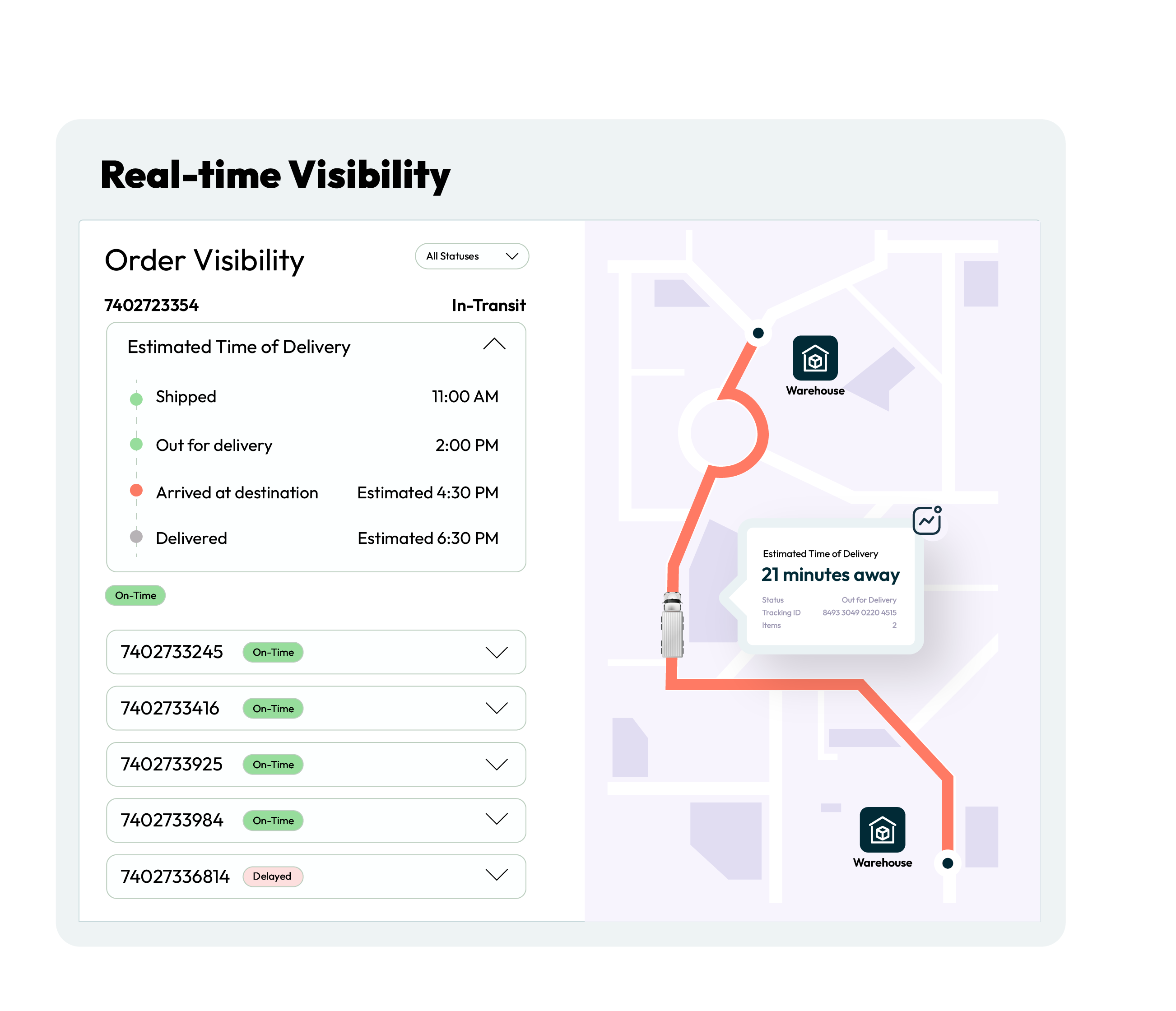
When a road closure happens, a new high-priority order lands or a driver is delayed, fixed plans fall apart. AI-based systems monitor live traffic, weather, fleet status and customer constraints and reroute on the fly.
According to FarEye, real-time dynamic route optimization has led to reductions in route counts and improved productivity. For a last-mile allocator, this means having a control-tower view with automated adjustments rather than reactive firefighting.Seamless Integration with Broader Logistics Systems
Great routing doesn’t work in isolation. A true home delivery routing software links with TMS, WMS, driver apps, customer-facing tracking and analytics dashboards. FarEye emphasizes API-first architecture, supporting plug-and-play integration with upstream order systems and downstream driver mobility apps.
This integration is key for enterprise environments managing both B2B and B2C deliveries across owned, outsourced and mixed fleets.
Tangible Business Benefits You’ll Measure
When home delivery route planning software becomes smarter, the gains show up across operational metrics:
Higher Capacity Utilization
With better stop sequencing, fewer empty miles and vehicle loading optimized, productivity per vehicle rises. That means more stops per shift without the need to expand fleet size. Reports cite up to 20-25% fuel savings when routing accounts for real-time traffic, weather and stop-time variation.
For a U.S. dispatcher juggling cost-per-stop metrics, this directly impacts budget and profitability. Leveraging advanced route optimization, enterprises report 15–30% reductions in fuel usage and 15–25% fewer empty miles, translating directly into better capacity utilization and lower operating costs.Improved On-time and First-attempt Delivery Rates
Missed time windows or failed first deliveries drive redelivery costs and customer frustration. AI-driven home delivery routing software increases delivery reliability by aligning sequencing, driver assignment and ETA accuracy.
For example, in last-mile case studies provided by FarEye, first-attempt success rose meaningfully when dynamic slotting and routing were deployed. For last-mile operations in retail, appliance delivery or consumer goods, performance matters.Cost Reduction and Sustainability
Efficient routes mean lower labour hours, less fuel and fewer vehicle wear costs. Additionally, enterprises are increasingly required to meet emissions and sustainability targets.
AI-based routing supports EV-specific planning, charging-station inclusion and green-fleet management. For large U.S. fleets, the dual pressure of cost and compliance makes this capability vital.
In practical deployments, AI‑driven routing has led to up to 30% improvements in delivery efficiency, enhancing on‑time and first‑attempt delivery performance across large fleets.Future Readiness and Scalability
As e-commerce volumes grow, time windows shrink and delivery promise expectations escalate, manual routing becomes a bottleneck. The right home delivery route planning software supports scale, mixed fleets (vans, bikes, EVs), multiple depots and data-driven growth. It becomes a strategic asset, not just an operational tool.
Looking Ahead: Trends Shaping the Future of Last-mile Routing
To stay ahead, allocators and dispatchers must keep one eye on today and one on tomorrow. These trends matter:
Mixed Fleets and Zero-emission Vehicles
As delivery fleets incorporate e-bikes, urban micro-vehicles and EVs, routing software must handle a wide range of vehicle types and constraints (e.g., battery range, charging stops). FarEye’s home delivery routing software already factors EV routing into its optimization engines.
Autonomous Delivery and Robotics
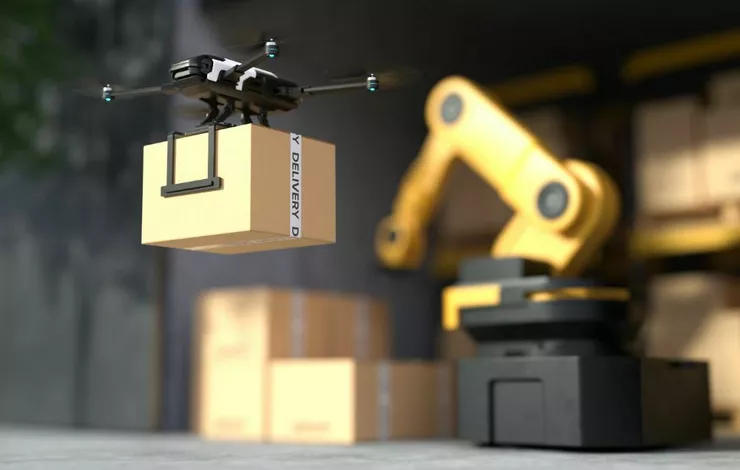
While still emerging in the U.S., autonomous vans, delivery robots and drones are moving into pilot phases. The routing engine becomes the orchestration backbone: assigning tasks, routing legs and integrating telematics. Dispatchers who adopt flexible routing platforms early will be better prepared.
Sustainability and Regulatory Pressures
Consumers increasingly expect sustainability in delivery and companies face tightening environmental regulations. Routing engines will need to optimize for emissions, not just time or cost. FarEye’s platform already includes green-fleet routing and CO₂ dashboards.
Customer-centric Delivery Promise
Time windows are shrinking and flexibility is rising. Customers expect accurate ETAs, live tracking and reliability. Routing software ties into the customer experience: by planning realistic slots, updating ETAs dynamically and adapting when unforeseen events occur. This elevates delivery from logistics cost to brand experience driver.
Take the Next Step Toward Smarter Delivery Routing
For logistics leaders and routing professionals, the message is clear: investing in advanced home delivery routing software is no longer optional; it’s foundational to efficient last-mile operations. With the right tool like the AI-powered home delivery routing software from FarEye, dispatchers and allocators gain control over complexity, capacity and cost.
They move from reactive routing to proactive, data-driven planning and secure improved on-time delivery, higher vehicle utilization and superior customer satisfaction. The future of last-mile efficiency begins with intelligent routing. You, as the allocator or dispatcher, are at the heart of that transformation.
Source:
Last-Mile Delivery Challenges and Innovative Solutions - Global Trade Magazine